A logo is one of the most important visual elements of a brand. When that logo is placed on shirts, jackets, caps, bags, uniforms, or other fabric items, it needs to look clean and professional. Embroidery Digitizing Services can convert a digital logo into a stitch-based embroidery file that an embroidery machine can understand and reproduce on fabric. However, not every logo can be embroidered exactly as it appears on a screen.
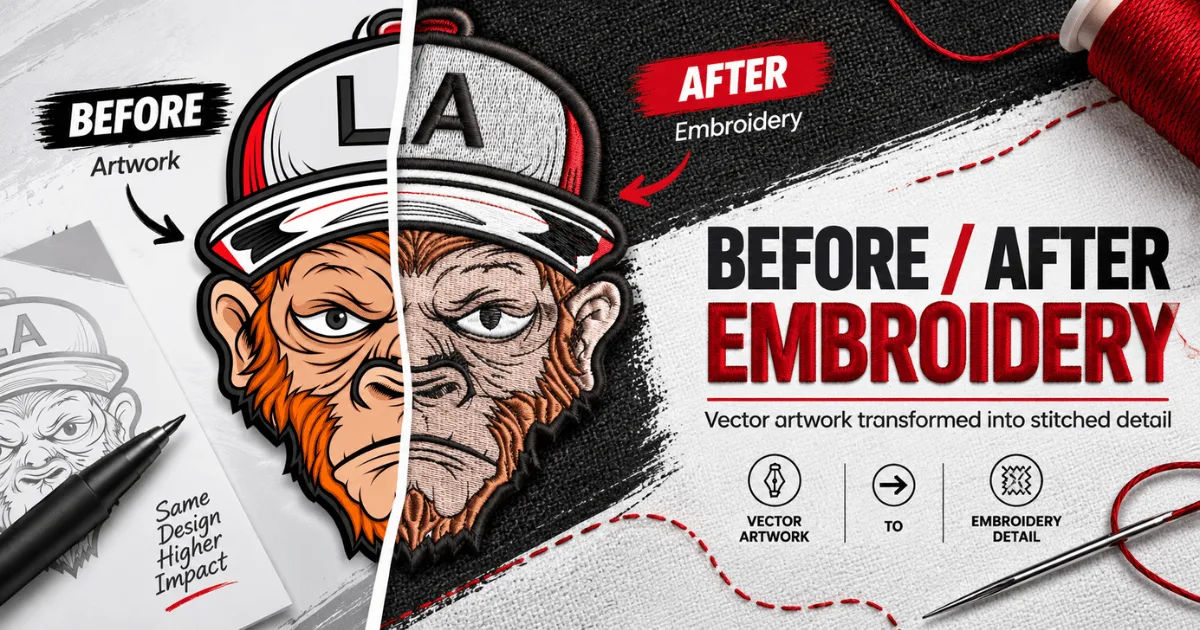
The digitizing process requires careful planning. Colors, shapes, lettering, line thickness, stitch direction, fabric type, and design size all affect the final result. A professional digitizer does more than simply convert an image into stitches. They adjust the artwork so it works properly with embroidery equipment.
This guide explains how logos are prepared for embroidery, what types of logos work best, what challenges may occur, and how professional digitizing can turn a digital brand mark into a high-quality embroidered design.
Why Logos Need to Be Digitized for Embroidery
A regular logo file is usually designed for digital or printed use. Formats such as JPG, PNG, SVG, and PDF contain visual information, but embroidery machines do not read these files in the same way.
An embroidery machine needs instructions that explain where each stitch should go. A digitizer creates those instructions by assigning different stitch types, directions, densities, and colors to specific parts of the logo.
Professional Embroidery Digitizing Services create files such as DST, PES, EXP, JEF, or other machine-compatible formats. The correct format depends on the embroidery machine being used.
Simply converting an image file into an embroidery format is not enough. The artwork must be manually or digitally prepared with embroidery techniques in mind.
What Types of Logos Can Be Digitized?
Most business and personal logos can be prepared for embroidery, but the amount of adjustment required depends on the design.
Simple Logos
Simple logos are generally the easiest to digitize. They may contain:
- Bold lettering
- Basic shapes
- Limited colors
- Clear outlines
- Large design elements
A simple logo can often maintain its original appearance quite closely when converted into stitches.
Detailed Logos
Detailed logos can also be embroidered, but they require more planning. Small objects, intricate patterns, thin outlines, and many color changes can become difficult to reproduce on fabric.
A professional digitizer may simplify certain elements without changing the recognizable identity of the logo.
Logos With Text
Text is common in business logos, but very small lettering can create problems. Embroidery thread has physical thickness, so extremely small letters may lose their definition.
Embroidery Digitizing Services can adjust the lettering by changing its size, stitch direction, spacing, and density. In some cases, a slightly simplified font provides a much cleaner result.
How the Logo Digitizing Process Works
Logo digitizing normally involves several important stages. Each stage contributes to the quality of the finished embroidery.
Artwork Evaluation
The process starts with an examination of the original logo. The digitizer considers its dimensions, colors, shapes, outlines, lettering, and level of detail.
They also determine where the logo will be embroidered. A logo intended for a cap may require different treatment from one intended for the back of a jacket.
Design Preparation
The original artwork is prepared for embroidery. Unnecessary details may be removed, and elements that are too small may need adjustment.
This does not mean changing the brand identity. Instead, the goal is to make the design suitable for a physical material and thread.
Stitch Type Selection
Different areas of a logo may require different stitch types.
Satin stitches are often useful for borders, lettering, and narrow shapes. Fill stitches can cover larger areas. Running stitches may be suitable for fine lines or small details.
A professional digitizer selects stitch types based on the shape and size of each element.
Stitch Direction
Stitch direction can dramatically affect the appearance of an embroidered logo. Changing the direction can create visual contrast and help different parts of the design stand apart.
It can also influence how thread reflects light. This is particularly noticeable on uniforms, caps, jackets, and other branded apparel.
Stitch Density
Density refers to how closely stitches are placed together. Too few stitches can leave fabric visible, while too many can create stiffness, thread buildup, or puckering.
Embroidery Digitizing Services adjust density according to the design, fabric, thread, and embroidery size.
Underlay Selection
Underlay stitches are placed beneath the visible stitches. They help stabilize the fabric and create a stronger foundation for the design.
Proper underlay can improve coverage and prevent the embroidered logo from looking uneven.
Final Machine File
Once the design is prepared, it is saved in the appropriate embroidery format. The file can then be transferred to the embroidery machine for production.
Can Complex Logos Be Embroidered?
Yes, complex logos can often be embroidered, but there are practical limitations.
A highly detailed logo may contain gradients, tiny text, thin lines, shadows, or photographic elements. These features may not translate directly into thread.
A digitizer may need to simplify the design. For example, a gradient could be represented with different thread colors, while a very thin line might need to be slightly thickened.
The purpose is to preserve the most important visual characteristics while making the design practical for embroidery.
Experienced Embroidery Digitizing Services understand how to balance visual accuracy with technical limitations.
How Small Can an Embroidered Logo Be?
There is no single size that works for every logo. The minimum practical size depends on the design, fabric, thread, stitch type, and embroidery machine.
Small logos can be particularly challenging when they contain text. A tiny letter may only have enough space for a few stitches, making it difficult to maintain its original shape.
A digitizer may recommend increasing the design size or simplifying certain details. This is especially important for logos placed on shirt pockets, sleeves, caps, and small accessories.
Choosing the Right Fabric
Fabric has a major effect on embroidery quality.
Stable materials such as denim, canvas, and heavier cotton often provide a strong foundation for embroidery. Stretch fabrics can require additional stabilization because they move during stitching.
Lightweight fabrics may also need careful treatment to avoid puckering or distortion.
Before digitizing a logo, it is useful to know what type of material will be used. Embroidery Digitizing Services can make technical decisions based on the intended garment or product.
What About Logo Colors?
Digital logos can contain hundreds of colors, but embroidery usually uses a limited selection of thread colors.
A professional digitizer selects thread colors that closely represent the original branding. Some colors may need to be substituted with the nearest available thread shade.
Gradients are another challenge. Embroidery thread cannot reproduce a smooth digital gradient in exactly the same way as a screen. The effect may instead be recreated using different thread colors or stitch techniques.
For businesses with strict brand guidelines, providing official color information can help achieve more consistent results.
Can Logos With Fine Details Be Preserved?
Fine details can sometimes be preserved, but their success depends heavily on their size.
For example, a thin decorative line may look perfect in a large printed logo but disappear when reduced for embroidery. Tiny gaps between elements can also close when stitches are placed close together.
Professional digitizing involves identifying these problems before production. Embroidery Digitizing Services may adjust small details so they remain visible without compromising the overall design.
Why Testing Matters
A digitized file may look good on a computer but still require adjustments after being stitched.
This is because embroidery is a physical process. Fabric can stretch, stitches can pull against each other, and thread behaves differently from pixels on a screen.
A sample stitch-out is therefore valuable for important logos. It allows the digitizer to examine coverage, alignment, density, lettering, colors, and overall appearance.
If something does not look right, the file can be modified before a larger production run.
Common Problems With Logo Embroidery
Several problems can occur when a logo is not properly digitized.
Puckering
Puckering occurs when the fabric gathers around the embroidery. It can result from excessive density, inadequate stabilization, unsuitable settings, or fabric movement.
Poor Lettering
Small text may become difficult to read if it has been digitized without considering embroidery limitations.
Uneven Coverage
Large filled areas can appear patchy when stitch density or direction is poorly planned.
Thread Breakage
Incorrect density, stitch length, machine settings, or other technical factors can contribute to thread breaks.
Distorted Shapes
A logo can lose its intended proportions when stitch directions, pull compensation, or fabric behavior are not properly considered.
Professional Embroidery Digitizing Services aim to reduce these problems before the design reaches production.
What Is Pull Compensation?
Pull compensation is an adjustment made during digitizing to account for the way fabric and stitches behave during embroidery.
When stitches pull on fabric, some shapes may become narrower or distorted. A digitizer can slightly modify certain elements to compensate for this effect.
This is one reason professional digitizing is more than converting a picture into a machine file. The digitizer must understand both the artwork and the physical embroidery process.
Can One Logo File Work for Every Product?
Not always.
A logo designed for a large jacket back may not work perfectly when reduced to a small chest placement. Likewise, a design intended for a flat garment may need modifications for a curved cap.
Different applications can require different versions of the same logo.
For this reason, businesses may benefit from having multiple digitized versions based on size and placement. Embroidery Digitizing Services can prepare files specifically for shirts, caps, jackets, bags, patches, and other products.
How to Prepare Your Logo for Digitizing
Providing good artwork makes the digitizing process easier.
A high-quality vector file such as SVG, AI, or EPS is often helpful because shapes can be examined clearly. However, even a high-resolution PNG or other image can sometimes be used.
It is also helpful to provide the desired embroidery size, garment type, placement, thread colors, and preferred machine format.
If the logo has official brand guidelines, those should also be shared. Clear information gives the digitizer a better understanding of the intended result.
How to Choose Professional Digitizing Services
When selecting a provider, look beyond the simple ability to create an embroidery file.
Check whether the service understands different fabrics, stitch types, machine formats, lettering, and design sizes. Experience with logo digitizing is particularly valuable because commercial logos often require careful attention to consistency.
A good provider should also be willing to make reasonable adjustments when a sample reveals a technical issue.
Turnaround time, file formats, revision policies, and pricing can also vary. Comparing these factors helps businesses choose a service that fits their production requirements.
Are Embroidery Digitizing Services Suitable for Businesses?
Yes. Businesses frequently use embroidered logos to create branded uniforms, promotional clothing, employee apparel, caps, jackets, and accessories.
Embroidered branding can provide a professional and durable appearance. It is particularly useful for organizations that want employees to present a consistent visual identity.
Once a logo has been properly digitized, the file can often be used repeatedly for future embroidery orders, provided the size, product, and production requirements remain suitable.
Digital Logo vs. Embroidered Logo
A digital logo exists primarily as artwork made from pixels, vectors, or other digital elements. An embroidered logo is a physical interpretation of that artwork using thread.
Because of this difference, the two versions may not look exactly identical.
A screen can display extremely fine details and smooth gradients. Thread has physical limitations. The goal of professional digitizing is not necessarily to reproduce every pixel but to create the closest practical embroidered representation.
This distinction is important when evaluating the quality of an embroidered logo.
Benefits of Professional Logo Digitizing
Using professional Embroidery Digitizing Services can offer several advantages.
The most important is better control over the final appearance. Professional digitizers understand how different stitch structures affect fabric and design elements.
They can also prepare files for different embroidery machines and make adjustments for various materials and sizes.
Another benefit is consistency. A properly prepared logo can help maintain a uniform appearance across shirts, jackets, caps, bags, and other branded products.
Professional preparation can also reduce production problems, saving time and materials during larger embroidery orders.
Final Considerations Before Embroidering a Logo
Before production begins, confirm the logo size, placement, fabric, thread colors, machine format, and intended quantity.
Ask for a sample or stitch-out when the logo is important, highly detailed, or being produced in large quantities.
Remember that the best embroidered logo is not always the one with the greatest number of stitches. More stitches do not automatically mean better quality. Good embroidery depends on appropriate stitch selection, density, direction, sequencing, stabilization, and careful design preparation.
Conclusion
So, can Embroidery Digitizing Services handle logos? In most cases, yes. Logos are among the most common designs prepared for embroidery, ranging from simple business marks to detailed brand artwork.
The key is understanding that digitizing is a specialized design process. A digital logo cannot simply be sent to an embroidery machine without being converted into appropriate stitch instructions. Elements such as lettering, colors, fine lines, density, stitch direction, fabric type, and final size all need to be considered.
Simple logos are usually straightforward, while complex designs may require thoughtful simplification. Very small details, gradients, and tiny text can present challenges, but an experienced digitizer can often adapt them while preserving the identity of the original artwork.
For businesses, quality digitizing can make a major difference in the appearance and consistency of branded apparel. Whether the logo is intended for a polo shirt, work uniform, baseball cap, jacket, bag, or patch, the file should be created with its final application in mind.
Ultimately, successful logo embroidery depends on the relationship between artwork and physical stitching. Embroidery Digitizing Services bridge that gap by transforming a digital brand design into a practical embroidery file that a machine can reproduce accurately. With suitable artwork, proper technical preparation, and testing when necessary, almost any suitable logo can become a professional embroidered design.
